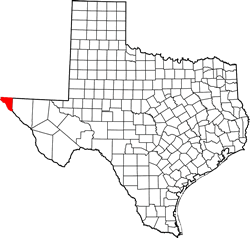
|
|
Vintage
Photos
El
Paso’s Beautiful People:
1921-1946
Photographer’s Art Saved from the Dustbin of History
The Casasola
Collection of UT El
Paso
puts the “Special” in Special Collections
|
Gisela Gonzalez
Barney
Courtesy UT El Paso, Casasola Collection |
Famous
Southern Cousins
If the name sounds familiar, it’s because Augustin Victor Casasola
was to the Mexican Revolution(s) what Matthew Brady was to the U.S.
Civil War. Casasola was a newspaper reporter before he ‘developed’
an interest in photography. He can easily claim the title of Mexico’s
first photojournalist.
With his brother Miguel, the two set up Mexico’s first-of-its-kind
photo agency, where they could dispatch photographers across the country
to record whichever revolution, current event or disaster was currently
in progress.
Editor’s
Note:
In rare motion-picture footage of a triumphant Pancho Villa riding
into Mexico City, Augustin Casasola can be seen setting up his tripod
and view camera and then shouldering both for a sprint down the street,
barely avoiding being trampled by Villa’s horse. He photographed both
Villa (who never met a camera he didn’t like) and the camera-shy Emiliano
Zapata. The famous shot of the two men laughing together in the presidental
palace was a Casasola print). Even after Villa and Zapata were assassinated
(separately and years apart) it was Casasola or staffers who photographed
the bullet-riddled corpses. To this day, heirs of the Casasola Brothers
operate a business in downtown Mexico City, making prints from original
glass-plate negatives.
After things settled down, and before the brothers started socializing
with fellow photographer, Tina Modotti, muralist Diego Rivera, self-portraitist
Frieda Kahlo, and other Mexico City artists, the Brothers Casasola
helped their cousin Alfonso establish a photography business on “the
other side” in El
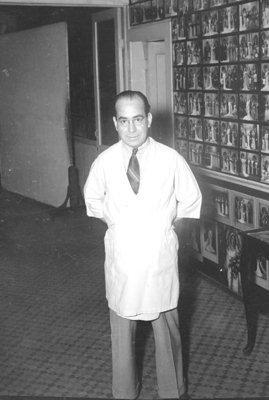
Paso, Texas in 1921. It is the quiet studio work of their cousin,
Alfonso Casasola, that is featured here. |
 |
|
The Photographer
Photographed
Alfonso Casasola
Courtesy UT El Paso, Casasola Collection
|
Alfonso
Casasola and his Studio
Alfonso Casasola’s
studio occupied a downtown building in the 500 block of S. El Paso
Street; a stone’s throw from the International Bridge and right next
door to the Colon Theater. Citizens of Juarez, El Pasoans, soldiers
from Fort Bliss, visiting Mexican entertainers and even Border Patrol
agents wanting a photo to send back home to Wisconsin or New Hampshire,
dropped into Alfonso’s studio to have “the moments of their lives”
recorded for posterity.
And so it went for decades. The pleasant, smock-wearing photographer
sharing the simple joys and triumphs of people who wanted to be seen
in their wedding best, their graduation robes, or (for soldiers) hard-won
chevrons.
After Alfonso's in 1946, Miguel’s wife, Emma Flores, kept the studio
operating until the doors finally closed in 1992. Snapshots and cheap
cameras were muscling their way to the front of the line, pushing
aside the maestro and his camera. Times had changed forever, but seventy-one
years remains a remarkable run for a family business.
Back to 1992
In 1992 while the building at S. El Paso Street was undergoing restoration,
workmen discovered thousands of negatives packed into cardboard boxes.
Someone had the good sense to recognize the historical value of these
discards and calls were made. The trove eventually found a home in
the C. L. Sonnichsen Collection of the University of Texas at El
Paso where they are currently being processed as time and funding
permits. Out of an estimated total of 50,000 negatives, less than
3,000 have been processed to date (2007). |
 |
|
Mabel Moody
Courtesy UT El Paso, Casasola Collection
|
These 3,000 are
displayed on the University’s website. The first link will take you
to the list
of collections, while the following will take you to the Casasola
database.
Braceros,
Babies, Beauties and Border Agents
The photos are
shown as thumbnails which can be enlarged and are categorized into
categories of Ladies, Children, Groups, Soldiers, Weddings and “Braceros
and Passaportes.”
This last photo category was not a vanity purchase, but one of necessity.
Mexican workers (Braceros in Spanish - “Arms” in English) during WWII
and through the fifties needed photos to accompany work documents.
In some of these shots, total strangers would pair up to be photographed
together (on separate sides of a single bench) to save the cost of
separate photographs. |
|
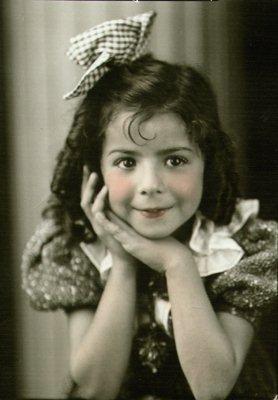
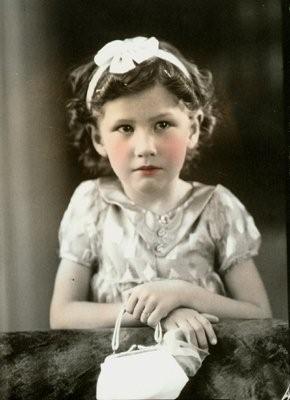
Unidentified
Child
Courtesy UT El Paso, Casasola Collection
|
|
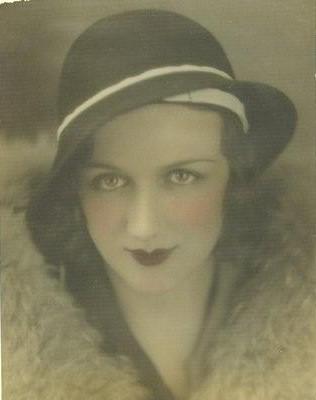
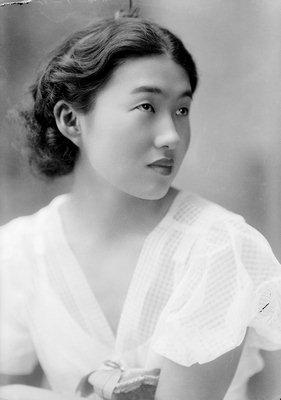
Unidentified
Woman
Courtesy UT El Paso, Casasola Collection
|
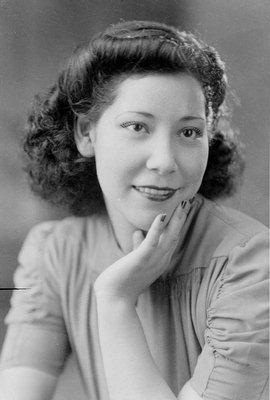
Unidentified
Woman
Courtesy UT El Paso, Casasola Collection |
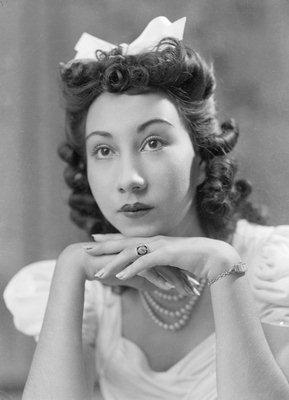
Unidentified
Woman
Courtesy UT El Paso, Casasola Collection |
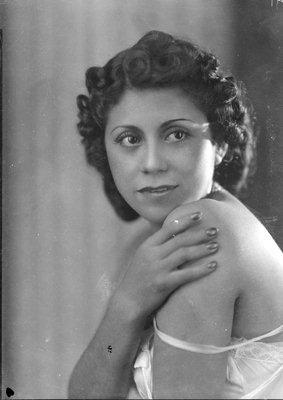
Unidentified
Woman
Courtesy UT El Paso, Casasola Collection |
Unidentified
Woman
Courtesy UT El Paso, Casasola Collection |
|
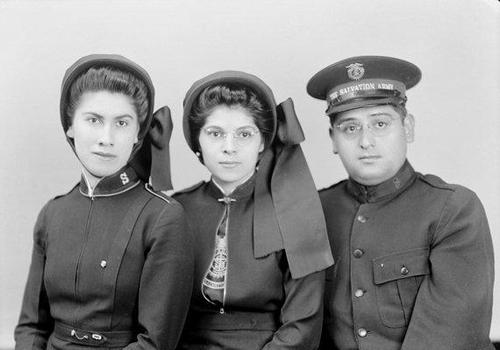
Soldiers of
the Salvation Army
Courtesy
UT El Paso, Casasola Collection
|
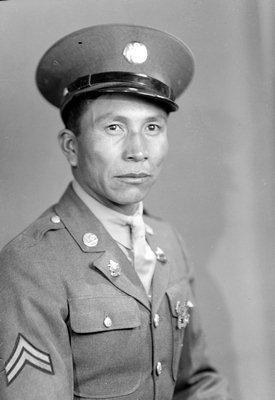
Unidentified
Soldier
Courtesy UT El Paso, Casasola Collection |
|
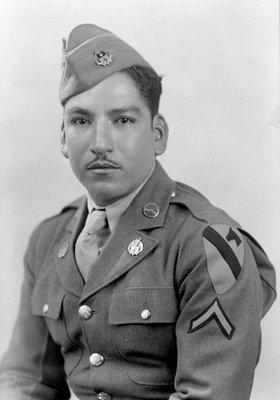
Ist Cavalry
PFC
Courtesy
UT El Paso, Casasola Collection
|
|
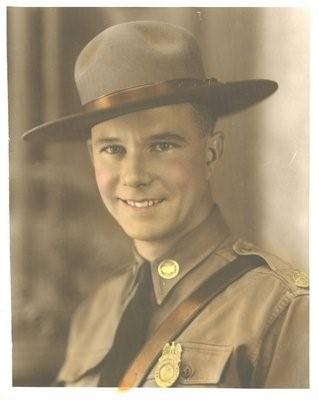
Border Patrol
Agent
Courtesy
UT El Paso, Casasola Collection
|
|
Today
newspapers in both El
Paso and Ciudad Juarez regularly publish photos from the collection
in hopes of making connections. To date there have been something
like sixty reunions of subject and photo – a recent match being
a female septuagenarian who had once been photographed as a seven
year-old girl.
Alfonso may have known how to operate a camera, but his services
went beyond simple mechanics. He obviously was a patient man, for
not a single child is shown with so much as a frown, let alone tears.
(Of the negatives developed so far, that is). AC also managed to
coax smiles from the soldiers. One stern-looking corporal had to
be photographed twice.
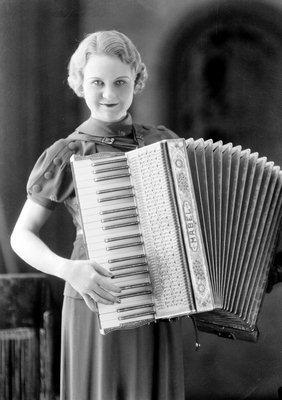
For the women and children, Alfonso pulled out all the stops. In
some cases extra lighting was added that would create artistic profile
silhouettes. After-the-fact hand-tinting would restore a subject’s
lost vitality and youth. Hand tinting turned everyday children (who
had vitality and youth) into cherubim. It will probably never
be known if the tiaras that some women wore were brought to the
studio or provided by Mr. Casasola.
The final touch (when needed) was a clever manipulation of emulsion
on the plate, where impossibly long eyelashes could be added without
subjecting the woman to either pain or adhesive. Although it sounds
like the results of this trick would appear tawdry, the finished
product reveals improvement and, we might add, wise restraint on
the part of Mr. Casasola or Emma.
While the men had rather no-nonsense poses, the women (perhaps under
the direction of Alfonso) tended to favor hands prominently displayed
which makes them look as if they are about to go to sleep, enduring
a toothache or perhaps supporting a broken jaw.
The collection is a fascinating look back at a time before celebrity-worship
when everyday people felt an obligation to provide glamour, beauty
and dignity to the general public - with a little help from a talented
enabler named Alfonso Casasola.
They
Shoe Horses, Don't They? June
5, 2008 Column
|
|
|
 HOME
HOME

 Gulf
Coast
Gulf
Coast East
Texas
East
Texas Central
North
Central
North Central
South
Central
South Panhandle
 South
Texas
South
Texas Hill
Country
Hill
Country West
Texas
West
Texas Ghost
Towns
Ghost
Towns COUNTIES