|
|
TOMBALL, TEXAS
"Oil Town U.S.A."
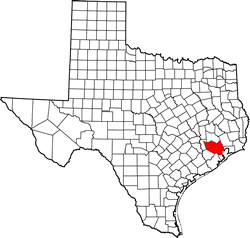
Harris County, Texas
Gulf Coast
30°5'56"N 95°37'8"W (30.098905, -95.618899).
FM 2920 and Hwy 249
28 miles NW of Houston
10 miles W of Spring
Population: 10,753 (2010) 9,089 (2000) 6,370 (1990)
|
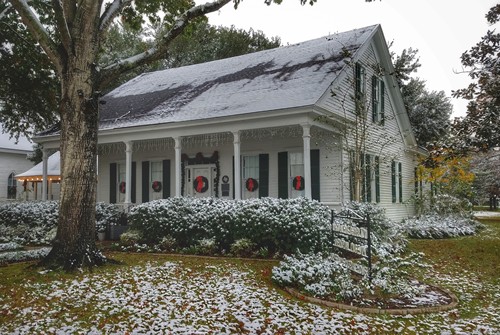
Griffin House
in Tomball's Museum Center
on North Pine Street
Recorded Texas Historic Landmark
Courtesy City of Tomball, December 8, 2017 |
History in
a Pecan Shell
Settlement
in the area goes back to 1838 when land was granted to heirs of William
Hurd. As a community started developing it was named Peck after
a civil engineer. In 1907 the Trinity and Brazos Valley Railroad gave
Peck not only a depot - but a roundhouse that could accommodate five
locomotives.
In late 1907 the name was changed to Tomball for the man (Thomas Henry
Ball) who had brought the railroad to Peck. The next year a post office
was granted.
The population was 350 in 1914. The town led the normal agricultural
lifestyle of its neighbors until oil was discovered in 1933. Humble
Oil and Refining Company convinced the citizens of Tomball that if
they could be allowed to drill that worthless, nasty oil from Tomball's
city limits - then the citizens would get free gas and water for 99
years. Such a deal.
Tomball became known as "Oil Town U.S.A." and the population trebled
from the 665 people present in 1933. An estimated twenty-five to thirty
oil companies had sunk wells within five miles of downtown Tomball.
Humble, perhaps feeling guilty over hoodwinking the Tomballers, built
housing and recreation facilities for its workers. Robert Ripley included
Tomball in his syndicated Believe It or Not column for being the only
city with free gas and water but no cemetery.
By 1960 Tomball's population was 1,173, and by the mid 1980s it had
broken the 5,000 mark.
See
Tomball Museum Center ›
Tomball Depot and Museum ›
|
Tomball Landmarks
& Attractions
|
Christmas Events - Second weekend of December:
German Christmas
Market
Christmas on
Commerce
Holiday Lamp
Post Stroll
Holiday Candlelight
Tours at the museum
|
Tomball Museum
Center
Including historic
home, farmhouse, church, one-room schoolhouse, farm museum with
cotton gin, etc.
510 N. Pine St.
281-255-2148
|
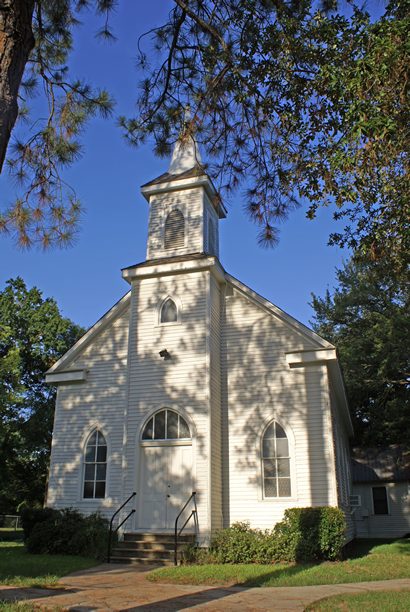
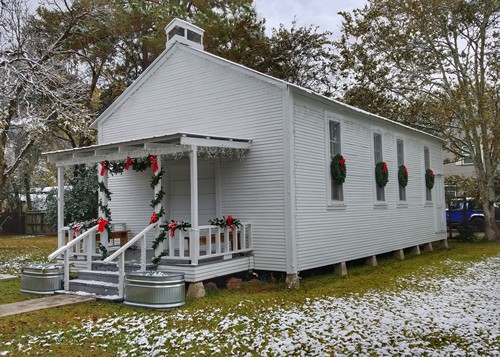
Early 1900s church
Courtesy City of Tomball, October 2008 |
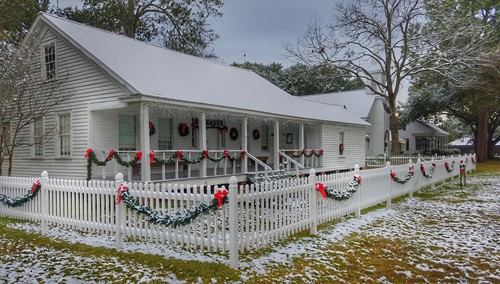
Furnished farmhouse
Courtesy City of Tomball, December 8, 2017 |
Tomball Museum
Center
Courtesy City of Tomball, October 2008 |
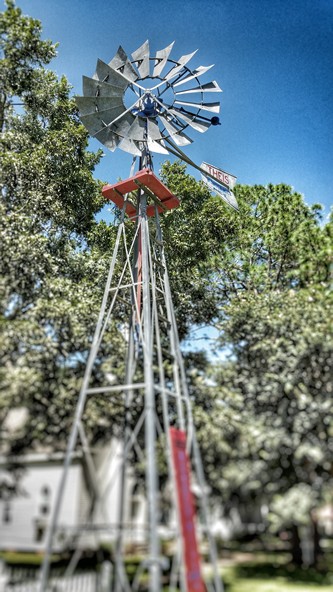
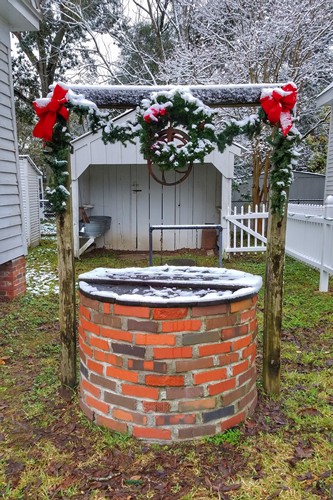
Windmill in display
Courtesy City of Tomball, August 2016 |
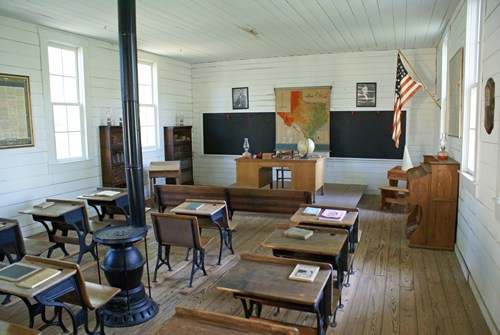
Tomball Museum
Center - the one-room schoolhouse
Courtesy City of Tomball, December 8, 2017 |
| Courtesy
City of Tomball, December 8, 2017 |
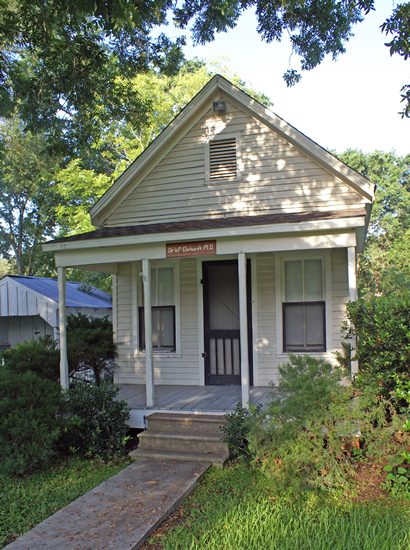
Tomball Museum
Center - Country doctor's office
Courtesy City of Tomball, October 2008 |
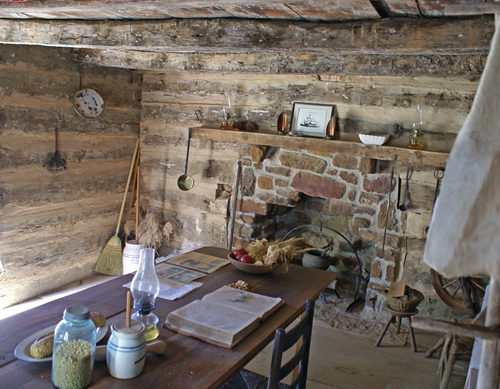
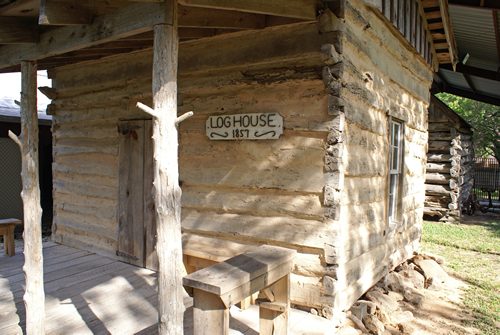
Tomball Museum
Center - the 1857 Loghouse
Courtesy City of Tomball, October 2008 |
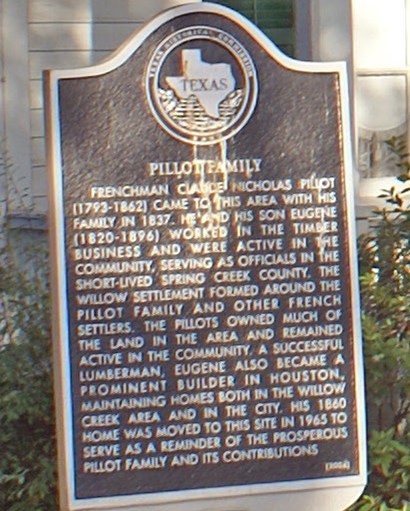
Pillot Family
Historical Marker in front of the Griffin House
400 block of Pine St.
Courtesy City of Tomball |
By day Old Town
Tomball, 28-miles northwest of Houston,
is filled with eclectic antique and specialty shops, award winning
mom-and-pop eateries, live entertainment, festivals, and a quality
of life that makes living in a small town very desirable.
But, late at night when the moon is high and the streets are empty,
Tomball, Texas is said to host a different sort of night life; a "spirited"
night life filled with unexplained incidences involving things that
go bump in the night. You see, Tomball is said to be the small town
with the big haunts.
The
Alley Ghost of Elm Street ›
Granny's
Ghost ›
The
Museum Mystery ›
Spring
Creek Specters ›
Phantom
of Fannin Street ›
A
TEAM Effort ›
|
Historic Tomball
Depot and Museum
|
|
Restored Burlington
Northern Santa Fe Depot
201 S. Elm St.
281-351-5484
www.tomballtx.gov
Free tours on Saturday & Sunday afternoons
|
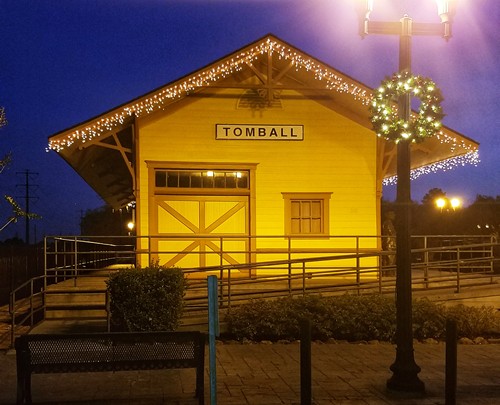
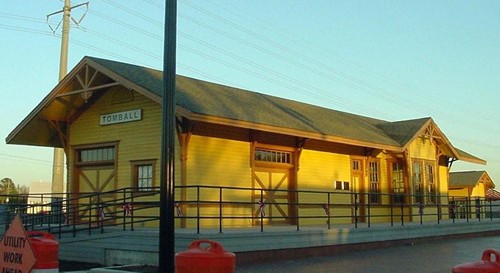
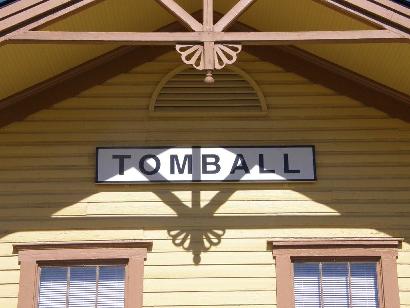
Historic Tomball
Depot and Museum
Courtesy City of Tomball, November 2017 |
Historic Tomball
Depot and Museum
Courtesy City of Tomball, October 2008 |
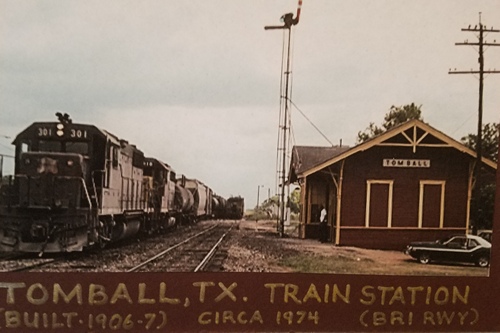
Tomball Train
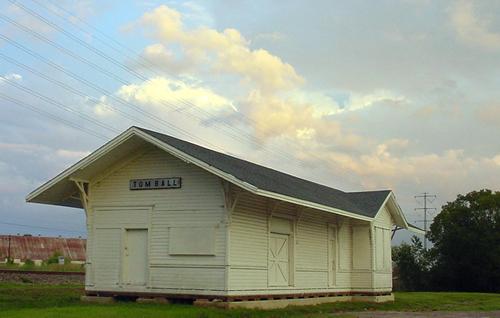
Station in 1974
Built 1906-7
Photo courtesy City of Tomball |
Tomball Train
Station
Courtesy City of Tomball |
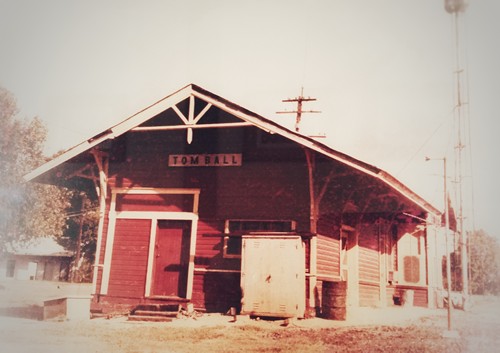
The former depot
awaiting restoration
Photo by John Troesser, September 2004 |
The former depot
after restoration
Photo
by John Troesser, June 2007 |
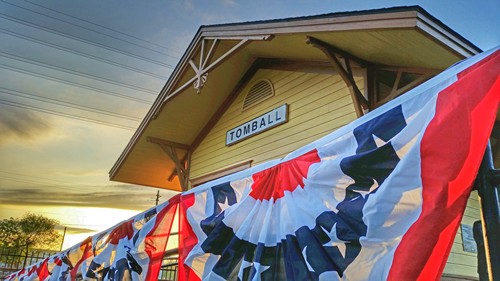
Tomball Depot
at sunrise
Courtesy City of Tomball |
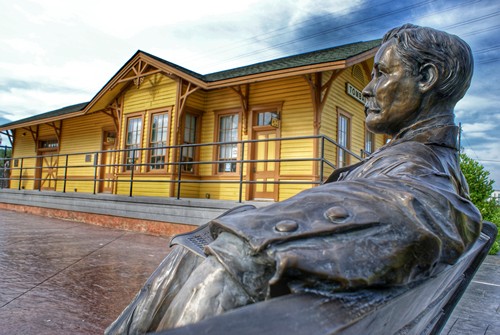
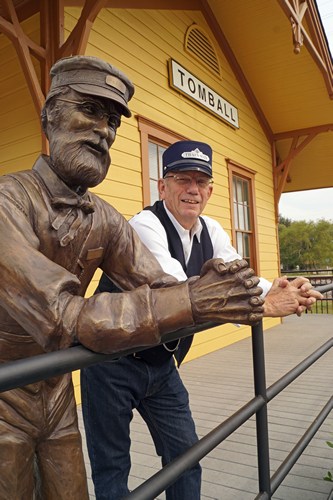
John Lockwood
Courtesy City of Tomball, October 2015 |
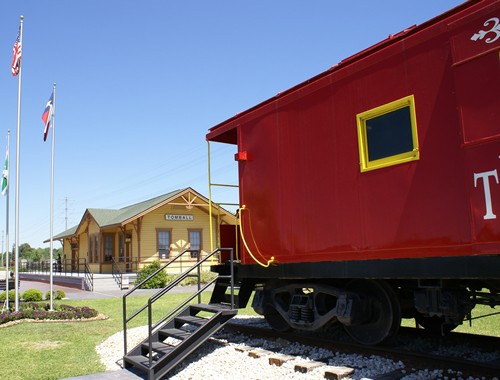
Tomball Depot
& Caboose
"We're building two new model railway layouts inside our caboose
and depot. Both will be up and running in the early spring.
The "O" scale will be opening for a preview showing at 60% completion
this weekend (December 9 - 10), 2017) during the Tomball German Christmas
Market."
- City of Tomball |
| Texas
Escapes, in its purpose to preserve historic, endangered and vanishing
Texas, asks that anyone wishing to share their local history, stories,
landmarks and recent or vintage photos, please contact
us. |
|
|
 HOME
HOME

 Texas
Gulf Coast
Texas
Gulf Coast East
Texas
East
Texas Central
Texas North
Central
Texas North Central
Texas South
Central
Texas South Texas
Panhandle
Texas
Panhandle South
Texas
South
Texas Texas
Hill Country
Texas
Hill Country West
Texas
West
Texas Texas
Ghost Towns
Texas
Ghost Towns Texas
Counties
Texas
Counties