|
 |
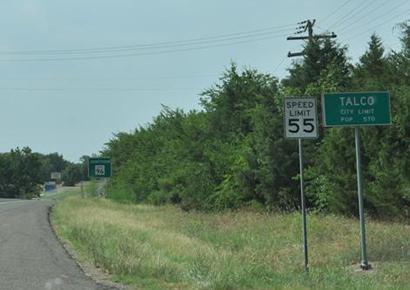
History in
a Pecan Shell
Although there
is not a direct linkage to a previous settlement called Gouldsboro,
that town's post office was open by 1856, closed four years later
and reopened under a variation (Goolesboro) in 1878. The fledgling
community had just 30 people in 1884. It also had a post office with
a name that postal authorities deemed confusing (with other Texas
post office names). They requested that the townsfolk come up with
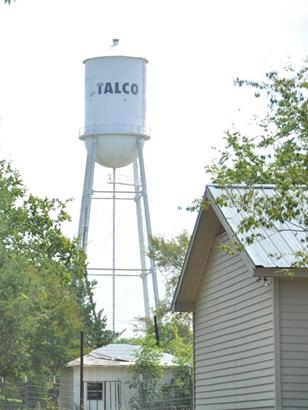
a new name and it is said that a confection sold by the Texas, Arkansas,
and Louisiana Candy Company TAL Co.) was the source.
The Paris and Mount Pleasant Railroad was about to bypass the town
but knowing their doom if they stayed put - residents moved their
homes and businesses to the tracks beginning in 1912.
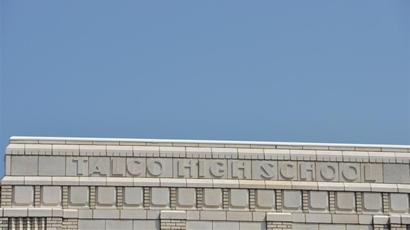
By 1914 the relocated Talco had a depot, telephone service and 300
citizens. It entered the great Depression with a respectable 350 people
but things changed drastically in 1936. In February of that year the
Talco Oilfield came in - creating a boomtown. The town was inundated
with jobless men looking for work. Oil leases were sold in the street
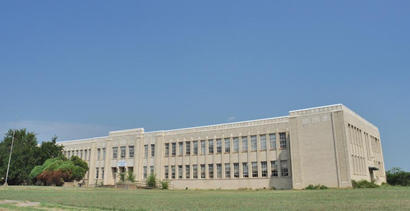
and even the School trustees accepted a bid for a well to be drilled
on the playground of the school.
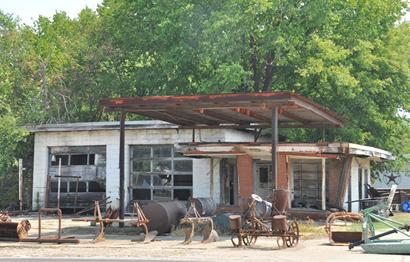
But the "low gravity" oil was low value compared to the oil in other
fields. It was, however excellent for asphalt, and before one could
say "Asphalt Capital of the World" - the chamber of commerce was using
the slogan. Oil money - or in this case asphalt money - was well spent.
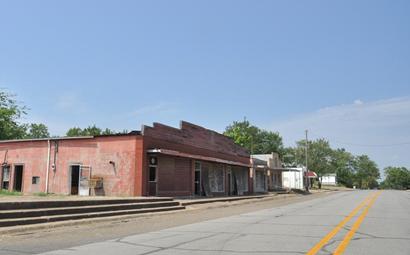
Streets were paved, infrastructure put in place and the city incorporated.
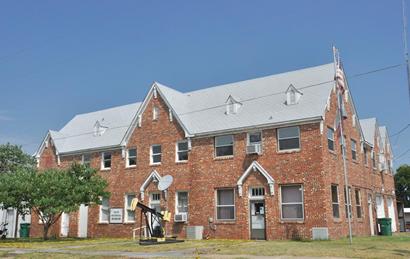
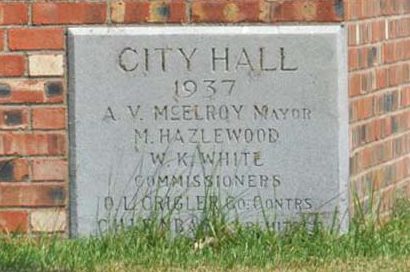
Bonds were sold so that a new city hall could be built. The population
stood at about 2,000 by the end of the 30's, but as the boom subsided
- it declined by half.
Talco's population rebounded to 1,250 by 1960, but declined back to
751 by 1980. The Talco field remains in production and the town's
economy remains directly linked. |
 |
| Texas
Escapes, in its purpose to preserve historic, endangered and vanishing
Texas, asks that anyone wishing to share their local history, stories,
landmarks and recent or vintage photos, please contact
us. |
|
|
 HOME
HOME